
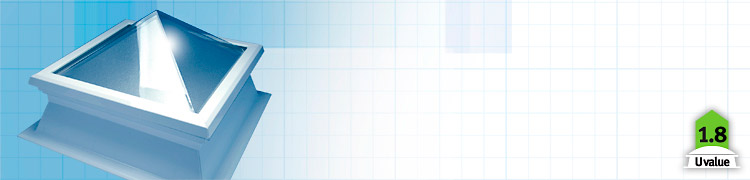
X-Two Rooflight
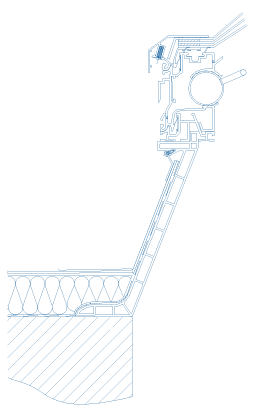
These rooflights, like the X-One, meet and beat the requirements of Part L with an impressive 1.8 U value using ‘all thermoplastic construction’ for outstanding thermal efficiency, high resistance to weathering and low maintenance. The X-Two is formed from enhanced UV protected polycarbonate with vented airspaces. The integral cascade water management system ensures that moisture drains to the outside of the building and air leakage meets Part L criteria. Key features include:
- Aluminium trim and extruded gasket sections
- Steel security insert within the PVCu section
- Rooflights easily removed and replaced with keys
- Available in four versions—fixed; worm-gear opening; hit and miss; access hatch.
.
Guide Sizes (mm) |
|
Square |
Rectangular |
| 600 x 600 1200 x 1200 750 x 750 1350 x 1350 900 x 900 1500 x 1500 1000 x 1000 1800 x 1800 1050 x 1050 |
600 x 900 900 x 1800 600 x 1200 900 x 2400 600 x 1500 1000 x 1500 600 x 1800 1000 x 2000 600 x 2400 1200 x 1500 900 x 1200 1200 x 1800 900 x 1350 1200 x 2400 900 x 1500 1500 x 2400 |
The U value of a rooflight is calculated by dividing the heat transfer across the system (measured in Watts) by the environmental temperature difference across the test element (measured in degrees K) multiplied by the area of the aperture in the surround panel—called the projected area (measured in m²). This latter dimension is equivalent to the opening in the building envelope. One consequence of this is that the ‘U’ value of the product will increase as it gets deeper, despite the thermal properties of the individual components staying the same.
The building energy software SBEM uses the actual area (often called the developed area) of the product, to calculate the heat transfer through the product.
To show what this value is, a “supplemental” U value has been calculated using developed area and it is this relevant value that we quote in this document. |
|
How to specify Xtralite rooflights |
If you need to know more about the elements that make up the X-Two rooflight, click on the following for more information: Understanding glazingUnderstanding ventilationUnderstanding roof fixing and security |
If you would like to specify exactly which X-Two configuration you require, click on the following to go to the specification guide: Go to specification guide |
To find a full range of PDF and CAD drawings for the Xtralite range, click on the following to go to the downloads section: Go to downloads section |